Do You Need a Lawyer After a Motorcycle Accident in Illinois?
Do You Need a Lawyer After a Motorcycle Accident in Illinois?
Not every spill requires an attorney, so it is fair to ask: do you need a lawyer after a motorcycle accident in Illinois? If you were injured, if fault is disputed, or if an insurer is pressuring you, the answer is almost always yes. In Chicago, where riders share tight lanes with buses, rideshares, and turning traffic on streets like Western, Milwaukee, and Ashland, crashes tend to cause far more serious injuries than typical car wrecks, and insurers know riders are easy to blame. A lawyer levels the field.
When You Probably Do Not Need a Lawyer
If your crash caused no injuries and only minor cosmetic damage, and the other driver clearly accepts fault, you may be able to handle it yourself. Even then, be cautious before signing anything.
When You Almost Certainly Do Need a Lawyer
- You were injured and needed treatment, especially if you were taken to a Level I trauma center like Stroger, Northwestern Memorial, or Advocate Christ.
- The insurer is disputing or denying fault.
- You are being blamed, in whole or in part.
- The at-fault driver was uninsured or underinsured.
- Your injuries may have long-term effects.
- The settlement offered feels low or rushed.
Chicago Crashes Where Fault Gets Ugly
Three patterns put Chicago riders in dispute again and again. The left-turn collision, where a driver turns across your path at an intersection and claims they never saw you. The dooring, where a parked driver opens a door into the bike lane, which violates Illinois law (625 ILCS 5/11-1407) but still gets blamed on the rider. And the expressway merge crash on the Dan Ryan, Kennedy, or Eisenhower, where lane changes at speed turn into he-said-she-said. In every one of these, the insurer's first move is to shift fault onto you.
Why Illinois Law Makes a Lawyer Valuable
Illinois uses modified comparative negligence (735 ILCS 5/2-1116). If you are found more than 50 percent at fault, you recover nothing. At 50 percent or less, your award is reduced by your share. Insurers exploit this by pinning as much blame on the rider as they can. A lawyer counters it by pulling the Illinois Traffic Crash Report, tracking down traffic and business security cameras before the footage is overwritten, and locking in witness statements while memories are fresh.
Insurance Limits and UM/UIM
Illinois requires only 25/50/20 coverage: $25,000 per person, $50,000 per crash, and $20,000 in property damage. Serious motorcycle injuries easily exceed that. Illinois also requires uninsured and underinsured motorist coverage, and a lawyer will identify every policy that might apply so you are not left short.
What a Lawyer Actually Does for You
- Investigates the crash and preserves evidence before it vanishes.
- Handles all communication with insurers so you do not say something that gets used against you.
- Calculates the full value of your claim, including future care and lost earning capacity.
- Negotiates hard and files suit in the Circuit Court of Cook County if the offer is unfair.
- Keeps your case within the two-year deadline.
The Two-Year Deadline
Illinois generally gives you two years from the date of the crash to file (735 ILCS 5/13-202). Miss it and you usually lose the right to recover, no matter how strong your case is. Hiring a lawyer early ensures deadlines are met and evidence is preserved.
What About Cost?
The Driver Defense Team works on contingency. You pay nothing up front, and the lawyer is paid only if you recover. There is little downside to getting your case reviewed.
Get a Straight Answer
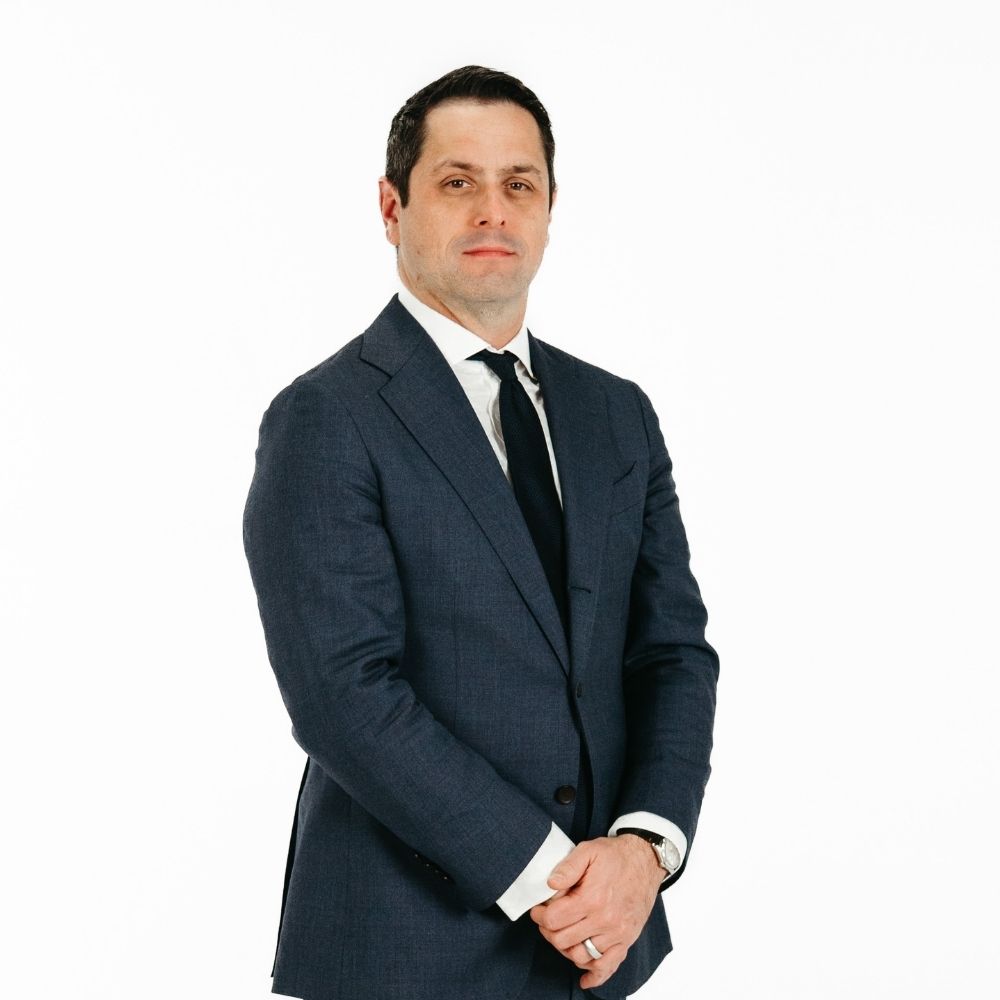
Derek Martin and the Driver Defense Team will tell you honestly whether you need a lawyer, with no pressure. Ride Nation Chicago stands with riders across the city and the suburbs. Enter the free BikersWin $20,000 motorcycle giveaway today, and if you have been hurt in a crash, contact Derek Martin and the Driver Defense Team for a free case review.
This article is attorney advertising and general information, not legal advice, and does not create an attorney-client relationship.