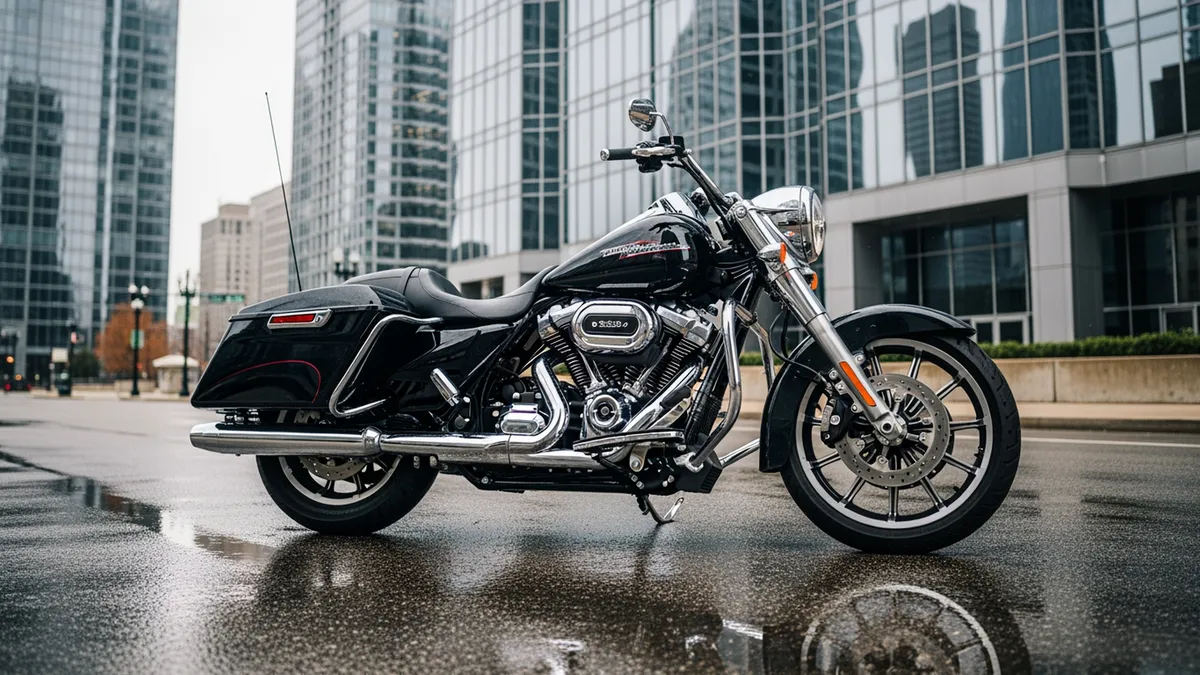
Dealing With the Insurance Adjuster After a Chicago Motorcycle Crash
The phone rings a day or two after your crash. It is the other driver's insurance adjuster, and they sound genuinely nice, concerned even. They are sorry this happened. They just need a few quick details to get your claim moving. Be careful. That call is the opening move in a process built to pay you as little as possible.
What the adjuster actually wants
Strip away the friendly tone and an adjuster is usually chasing two specific things in those first calls. The first is a recorded statement, framed as routine ("just so we have your account on file"), but really a transcript of you, in pain and unprepared, saying something they can later twist. The second is a signed release, often a "medical authorization" that sounds harmless. Sign a broad one and you hand them access to your entire medical history, years of unrelated records they will comb through to argue your injuries are old news. Both feel like cooperation. Both can wreck your claim.
Why you decline the recorded statement and the blanket release
Right after a crash you are rattled, medicated, and hurting, and you do not yet know the full extent of your injuries. If you tell the adjuster "I am feeling okay" out of politeness and a herniated disc shows up later, that recording gets played back as proof you were not really hurt. A casual "I did not really see him coming" becomes an argument that you were not paying attention. A simple, polite "I am not giving a recorded statement" is a complete answer. The same caution applies to that authorization form. Your crash-related records are fair game once your claim is in motion, but your entire medical history is not. On a rider claim they will seize on any past back issue or old sports injury to argue the crash did not do the damage. Do not sign anything broad, and do not sign anything at all before you understand exactly what it authorizes.
The tactics they use to devalue rider claims
Motorcycle claims get a special kind of scrutiny, because adjusters know juries and the public carry a bias against riders. They lean into it. On Chicago motorcycle claims, watch for these plays.
- ✓ The "reckless biker" script. They imply you were speeding, lane-splitting, or riding aggressively, with or without evidence, to shift blame onto you.
- ✓ The helmet angle. Illinois has no helmet law. Riding without one is legal and cannot be used to pin comparative fault on you for a head injury. Adjusters still raise it. Do not accept it.
- ✓ Comparative-fault fishing. Under the 50% Rule (735 ILCS 5/2-1116), if you are more than 50% at fault you recover nothing, and at 50% or less your award is reduced by your share. Every question about what you "could have done differently" is aimed at pushing your fault percentage up.
- ✓ The rush to settle. A fast check that feels like a lifeline, offered before anyone knows what your injuries will cost. Once you sign the release, the claim is closed for good, even if you need surgery next month.
- ✓ The waiting game. The flip side: they stall, ignore calls, and let mounting bills wear you down into accepting less.
Sharp questions worth asking, and what to say
If you do speak with an adjuster before you have a lawyer, a few pointed questions flip the dynamic and put them on record. Ask who exactly they represent, along with their name, company, and claim number. Ask the full policy limit available on this claim. Ask whether they want a recorded statement or a signature today, and force them to say it out loud. Ask exactly what an authorization form would give them access to. Ask whether an offer will still stand after you have finished treatment. Ask whether they accept that their driver was at fault or are disputing it. Beyond confirming the basics (that a crash happened, the date, the location), hold back. Do not speculate about fault or apologize, do not guess about your injuries or say you feel "fine," and do not give a recorded statement or sign a release without legal advice. Stay calm, stick to facts, and say your attorney will follow up. The nicer the early offer, the more reason to slow down.
Derek Martin and the Chicago motorcycle injury attorneys at DDT Injury Team represent riders hurt by negligent drivers. If you have questions after a crash, their team is here to help.